Adxom for Publishers: A Practical Guide to Monetising a Tech Website

Running a technology website in India means balancing useful reporting with the cost of producing it. Whether your readers come for smartphone launches, cryptocurrency explainers or practical app guides, advertising can help fund that work—but only when it fits the site and its audience. Adxom for publishers is one option to explore as you consider how to turn your content traffic into revenue without making the reading experience feel like an obstacle course.
Start with the reader, not the ad slot
Before choosing an advertising setup, look at how people actually use your site. A visitor reading a detailed comparison on a laptop may tolerate a different layout from someone checking a quick phone specification on a mobile screen. In India, where many readers browse on mobile connections and a wide range of devices, page speed and responsive design matter as much as the number of placements.
Too many ads can push useful information below the fold, interrupt reading or slow a page. That may cost you repeat visits, even if it creates more opportunities to display an ad in the short term. A better starting point is to identify a few placements that are visible without overwhelming the article, then check how they affect load time, engagement and return visits.
What publishers should assess
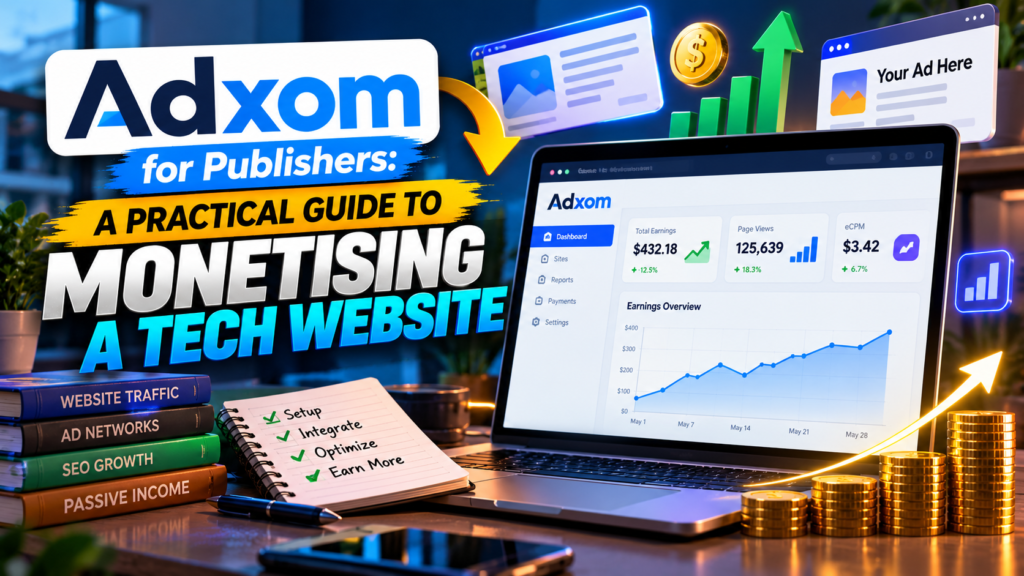
Ad platforms differ in their requirements, available formats and reporting. Review the details before making a change, and consider how the service fits your site’s size, content and operating needs. The Adxom publisher page is a place to learn about its publisher offering and decide whether it merits a closer look.
- Audience fit: Consider whether the advertising experience suits the people who visit your site and the subjects you cover.
- Format and placement: Check whether available formats work across desktop and mobile layouts, and whether you can keep ads away from key navigation or article elements.
- Reporting: Useful performance data can help you understand which pages and placements are contributing value. Look for reporting you can interpret and act on.
- Site requirements: Confirm any eligibility criteria, setup steps and technical changes before committing time to integration.
- Revenue terms: Read the current terms carefully, including how earnings are calculated and when payments are made. Avoid assuming that traffic alone guarantees a particular return.
These checks are especially relevant for sites covering finance or cryptocurrency. Readers may be evaluating decisions with real consequences, so advertising should not blur the line between editorial information and a commercial message. Keep your article’s claims independent, label paid placements appropriately, and review the categories and creatives that appear alongside sensitive topics.
Measure more than impressions
Once ads are live, treat the first few weeks as a test rather than a verdict. Compare performance by device and page type, and pay attention to changes in page speed, scroll depth and returning visitors. If a placement earns impressions but makes an article difficult to use, try adjusting its position or removing it from pages where it causes friction.
It also helps to track your site’s broader publishing goals. A technology blog may want readers to move from a phone review to a related buying guide, or from a beginner’s blockchain explainer to a more detailed article. Ad placements should support a sustainable business without obscuring these editorial pathways. Keep a record of layout changes so you can connect results to specific decisions instead of guessing.
When a mobile app enters the picture
Some publishers eventually consider an app to build a more direct relationship with frequent readers. That can make sense when there is a clear use case—such as saved articles, personalised alerts or an uncluttered reading mode—but an app needs ongoing design, development and maintenance. A website that already works well on phones may be the more practical priority.
If you decide to explore an app, plan the requirements before approaching developers. Define the audience, essential features, platforms, launch timeline and maintenance expectations. This guide to hiring a mobile app developer outlines costs, skills, process and a checklist to help structure that decision. Osdire is a freelance marketplace where buyers can hire across categories including programming and tech; its flat pricing and payment held until approved delivery may be useful details to weigh when comparing ways to source the work.
Build a sustainable publishing approach
Advertising works best as one part of a broader plan. Keep articles accurate and genuinely helpful, make the mobile experience a priority, and review performance regularly. If you are evaluating Adxom for publishers, compare its current offering and terms with your needs rather than choosing on the basis of a headline revenue claim. A thoughtful setup can support the cost of independent technology coverage while giving readers a reason to stay, return and trust what they find.